

June 18, 2026
PetSafe® Expert
PetSafe® Guest
Pets and Fireworks: Tips To Keep Your Dogs and Cats Safe and Calm
Key Points
- About half of all dogs show fear-based behaviors during fireworks, driven by their sensitive hearing and the unpredictable, sudden bangs that they can't make sense of.
- The days surrounding the 4th of July are the busiest of the year for animal shelters across the U.S. as scared pets bolt from yards and homes.
- Preparation matters more than reaction. Updated ID tags, a quiet safe space, a tired-out dog, and gradual desensitization are your strongest tools.
- Most pets respond well to drug-free home remedies like compression wraps, white noise, frozen treat toys, and pheromone diffusers, while severe noise phobia can be treated with veterinary support.
- Cats, rabbits, and other small pets are affected too. Bring them indoors, give them quiet hiding spots, and resist the urge to handle them while they're stressed.
Table of Contents
- Why are dogs scared of fireworks?
- Signs your dog is afraid of fireworks
- How many pets are affected by fireworks every year?
- How to prepare your dog before fireworks
- How to calm a dog during fireworks
- Home remedies for dogs scared of fireworks
- When to talk to your veterinarian
- Cats and fireworks
- Rabbits and other small pets
- What not to do during fireworks
- Frequently asked questions
- Citations and sources
Fireworks light up the sky for us, and shake the floor for our pets. The booms, flashes, and unfamiliar smells that make Independence Day feel festive can send a perfectly happy dog under the couch, a cat behind the dryer, or a rabbit into a panic. If you've ever wondered why your dog falls apart on the 4th of July, you're not imagining it. Fireworks and pets don't mix, and around half of all dogs show some level of fear when they hear loud, sudden noises like fireworks.[1]
The good news: a little preparation goes a long way. This guide walks through why dogs (and other pets) react the way they do, the warning signs to watch for, what helps dogs with fireworks at home, and when it's time to call your vet. We've also included sections for cats, rabbits, and other small pets, plus the well-meaning mistakes even experienced pet parents tend to make.
Why are dogs scared of fireworks?
Dogs aren't being dramatic. There are real biological reasons their reactions are so intense.
Their hearing is more sensitive than ours. Dogs can hear sounds at frequencies up to roughly 45,000 to 65,000 Hz, well past the human limit of about 20,000 Hz.[2] They can also detect sound at roughly four times the distance we can. A firework that's loud to you can be physically uncomfortable for your dog.
The noises are unpredictable. Fireworks don't follow a pattern. A sudden bang, a long silence, another bang. Dogs are wired to react to unexpected loud sounds, an evolutionary survival instinct that helped their ancestors stay alive. With no warning and no obvious source, every explosion triggers a fresh fight-or-flight response.
They can't make sense of it. Unlike a thunderstorm, which builds gradually with cues your dog learns over time, fireworks appear without context. There's no rain, no wind, no buildup. Just chaos.
Some dogs are more affected than others. Research has found that noise sensitivity is partly genetic and varies by breed.[3] Senior dogs, herding breeds, and dogs with previous traumatic experiences (or limited exposure to loud noises as puppies) often have stronger fear responses.
Yes, dogs are scared of fireworks for real, well-documented reasons. The question isn't whether your dog will react. It's how prepared you'll be when they do.
A dog's hearing is so acute that they can detect a fireworks display from several miles away, well before you can. By the time you're outside enjoying the show, your dog may have already been on high alert for an hour.
Signs your dog is afraid of fireworks
Firework anxiety doesn't always look like full-blown panic. Watch for any of the following:
- Trembling, shaking, or heavy panting
- Pacing, restlessness, or refusing to settle
- Hiding under furniture, in closets, or in the bathtub
- Whining, barking, or howling
- Drooling more than usual
- Refusing food or treats
- Trying to escape by clawing at doors, jumping fences, or breaking through screens
- Loss of bladder or bowel control
- Destructive chewing
- Clinginess or shadowing you around the house
If your dog shows any of these signs, take fireworks safety seriously. Noise phobia can escalate over time if it isn't addressed, so the earlier you start managing it, the better.
How many pets are affected by fireworks every year?
It's hard to put a single number on how many animals die from fireworks each year, since those figures aren't tracked nationally. But the indirect data tells a clear story:
- The 4th of July weekend is the busiest time of year for animal shelters in the U.S., and July 5 is often cited as the single highest-intake day of the year.[4]
- Studies estimate that roughly half of all dogs show fear-based behaviors when exposed to fireworks, and about 5% take a week or more to fully return to normal after an episode.[1]
- Pets that escape during fireworks face risks well beyond getting lost: traffic accidents, injuries, dehydration, and exposure.
The takeaway: fireworks and pets really don't mix, and the consequences extend well past a single stressful night.
How to prepare your dog before fireworks
The work you do before fireworks start is more effective than anything you can do during. Here's how to set your dog up for the calmest possible night.
- Update ID tags and microchip information. A current collar tag plus a registered microchip with up-to-date contact info is the single best thing you can do to be reunited with your dog if they escape. Verify your microchip registration this week, not the day of.
- Walk your dog early in the day. Tire them out with a long walk, a hike, or an extended play session before dusk. A tired dog is a calmer dog.
- Feed dinner early. A full stomach helps with relaxation, and you don't want your dog refusing food once the noise begins.
- Take a last potty break before sunset. Head out on a secure leash well before fireworks typically start in your area.
- Practice desensitization. In the weeks leading up to a known fireworks night, play recorded fireworks sounds at low volume during playtime or meals. Gradually increase the volume over multiple sessions, rewarding calm behavior with treats. This counter-conditioning takes time, but it works.
- Set up the safe space. Pick a quiet, interior room (a basement or closet works well) and fill it with familiar bedding, favorite toys, and water. Cover crates with thick blankets to muffle sound and block light flashes.
- Talk to your neighbors. If your community sets off backyard fireworks, a friendly heads-up about your anxious dog can sometimes shift the timing or location.
- Secure your yard. Check fencing for gaps, loose boards, or dig-spots. Latch every gate. Strong containment options like dog fencing can help keep them closed off and away from fireworks, which is especially helpful for dogs who try to bolt during high-stress events.
How to calm a dog during fireworks
This is the section to bookmark. When the booms start, here's how to help your dog through it. These are also the tips designed to live in the companion infographic so you can save or share them quickly:
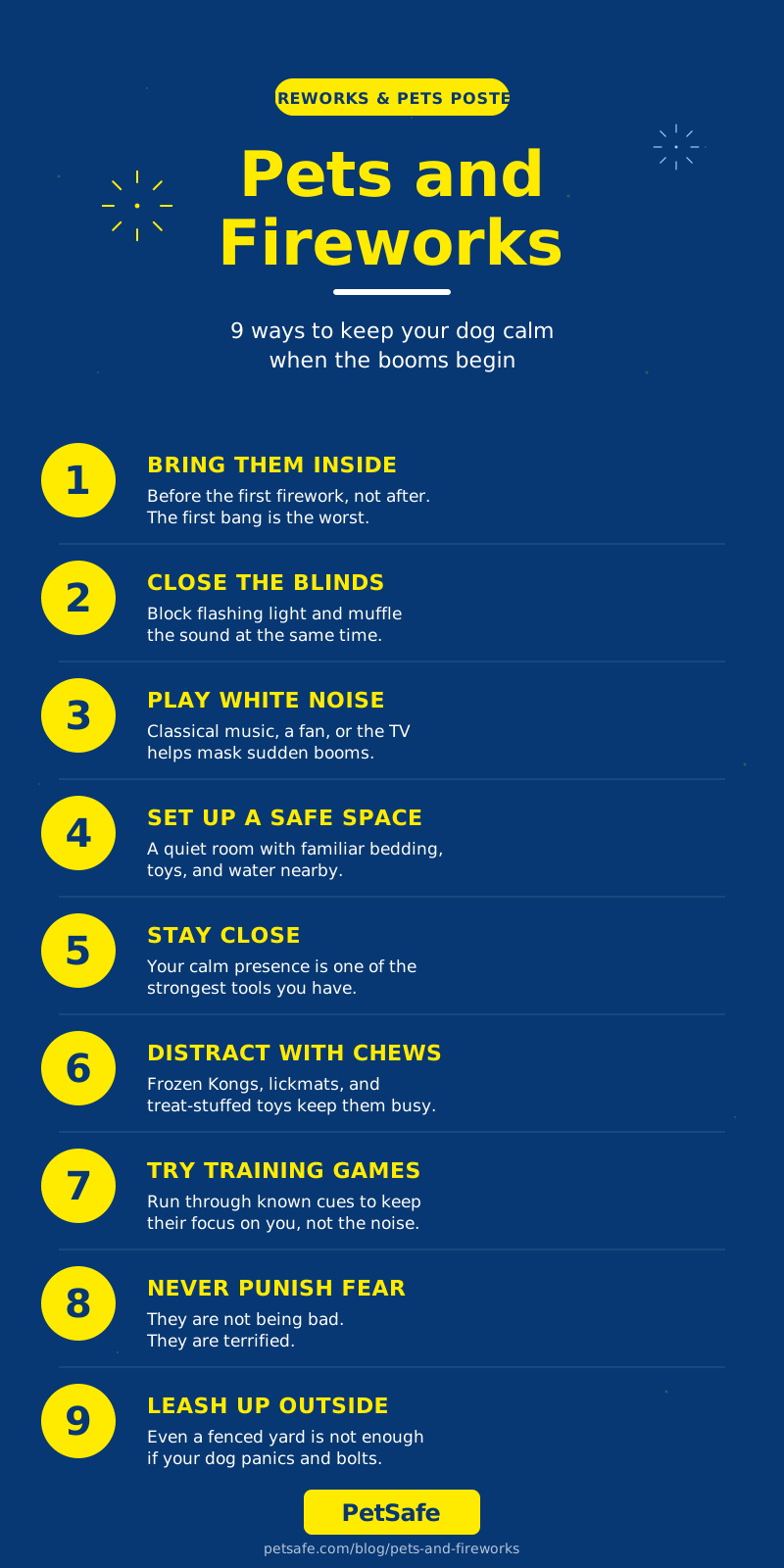
Save or share this fireworks and pets poster to help other pet parents prepare for a calmer night.
- Bring them inside before the first firework goes off, not after. The first bang is the worst.
- Close windows, curtains, and blinds. This muffles sound and blocks the flashing light that often startles dogs as much as the noise.
- Turn on white noise, a fan, classical music, or the TV. Research has shown that classical and reggae music can lower stress in shelter dogs.[5] A consistent beat helps mask the irregularity of fireworks.
- Move them to their safe space if they've started to show signs of stress. Don't force it. Let them choose to retreat.
- Stay with your dog if possible. Your calm presence is genuinely reassuring. Speak quietly and behave normally.
- Distract with high-value chews or food puzzles. Frozen Kongs, lickmats, and dog chew toys like treat rings are excellent choices. Chewing and licking are self-soothing behaviors that help dogs regulate stress.
- Try simple training games. Running through familiar cues like sit, down, paw, or find-it gives your dog something to focus on and rewards them for engaging with you instead of the noise.
- Don't punish fear. If your dog chews a cushion, soils the floor, or barks nonstop, they aren't being bad. They're terrified. Punishment will deepen the phobia.
- Keep them leashed if you must go outside. Even a fenced yard isn't enough for a dog in full flight response. Never trust an off-leash dog during fireworks.
Home remedies for dogs scared of fireworks
You don't need a prescription to make a real difference. These drug-free options work for most dogs with mild to moderate anxiety:
- Compression wraps apply gentle, constant pressure that can trigger a calming response, similar to swaddling an infant.
- Pheromone diffusers and sprays release dog-appeasing pheromones (the same scent mother dogs produce) and can lower ambient stress.
- Frozen, treat-stuffed toys keep your dog occupied with licking and chewing, both natural stress relievers.
- Calming chews and supplements containing L-theanine, chamomile, or hemp can take the edge off mild anxiety. Check with your vet before starting any supplement.
- White noise machines or a steady fan create a sound floor that masks the irregularity of fireworks.
- Classical music or species-specific calming playlists are now widely available on streaming services and have research to back them up.[5]
- A weighted blanket designed for dogs can produce a similar calming effect to a compression wrap.
Combining two or three of these (a frozen treat toy plus a compression wrap plus classical music, for example) tends to be more effective than relying on any single tactic.
When to talk to your veterinarian
For most dogs, the strategies above are enough. But noise phobia is a real, diagnosable condition, and some dogs need more support. Talk to your vet if:
- Your dog's reaction is severe, with sustained panting, self-injury, refusal to eat for hours, or destructive panic
- Recovery takes more than 24 hours
- The fear is getting worse year over year
- Your dog has injured themselves trying to escape
Your vet may recommend prescription anti-anxiety medications, a referral to a veterinary behaviorist, or both. Newer medications like Sileo (specifically approved for noise aversion in dogs) work without sedating your dog into a stupor. Don't wait for next year. Schedule the conversation well before fireworks season so any medication can be prescribed, trial-dosed, and ready in time.
Cats and fireworks
Cats are often quieter about their anxiety than dogs, which makes their distress easier to miss. Watch for hiding, flattened ears, dilated pupils, a tightly tucked tail, refusal to eat, or sudden litter box accidents.
To help your cat through fireworks:
- Keep all cats indoors for the night, even those who normally go out.
- Offer multiple hiding spots like covered cat beds, cardboard boxes, or the space under a bed, so they have choices.
- Move food, water, and the litter box close to their hiding spot so they don't have to leave it to feel safe.
- Use a feline pheromone diffuser in the room where they're spending the night.
- Don't try to coax them out. Cats handle stress by retreating. Let them.
- In multi-cat households, consider separating cats into different rooms. Close quarters under stress can trigger fights between cats who normally get along.
Rabbits and other small pets
Rabbits, guinea pigs, hamsters, ferrets, and other small pets are extremely vulnerable to fireworks. Their prey-animal instincts mean stress can be physically dangerous. Rabbits can go into shock, and small pets have been known to die from fear alone.
- Move hutches and cages indoors for the night, ideally into a quiet interior room.
- If indoor housing isn't possible, move the hutch into a garage or shed and cover it with thick blankets, leaving ventilation.
- Provide extra bedding and hiding spaces so they can burrow.
- Keep cages away from windows to block light flashes and muffle noise.
- Don't handle them during fireworks. A frightened small pet may bite, scratch, or injure themselves trying to escape your grip.
What not to do during fireworks
Even pet parents with the best intentions can make these mistakes:
- Don't take your dog to a fireworks display. Not even to "get them used to it." Forced exposure makes phobias worse.
- Don't leave pets outside, on a balcony, or tied up. A dog in panic can break a leash, jump a fence, or fall from a height.
- Don't punish anxious behavior. Destruction, accidents, or barking during fireworks are symptoms of fear, not disobedience.
- Don't medicate without a vet's input. Human anti-anxiety medications can be toxic to pets, and incorrect doses of pet medications can cause serious harm.
- Don't let pets near sparklers, firecrackers, or fireworks debris. Burns to paws, mouths, and eyes are common, and unexploded fireworks contain toxic chemicals.
- Don't assume your dog is "fine" because they're quiet. A dog frozen in place is in distress. They're just expressing it differently.
For other dog supplies that can help during stressful events, from secure leashes to safe outdoor gear, you can also find other dog supplies to round out your fireworks preparation.
Frequently asked questions
Why are dogs so scared of fireworks?
Dogs hear at much higher frequencies and over much greater distances than humans, and they can't predict or make sense of the loud, sudden booms. Fireworks trigger a survival-driven fight-or-flight response. Roughly half of all dogs show some level of fear during fireworks.
What can I give my dog to calm them down during fireworks?
Drug-free options include compression wraps, pheromone diffusers, frozen treat-stuffed toys, calming chews, and white noise or classical music. For dogs with severe noise phobia, your veterinarian can prescribe anti-anxiety medications such as Sileo or trazodone, always under veterinary guidance.
How long does it take a dog to calm down after fireworks?
About half of dogs return to normal within an hour of the fireworks ending. Most are fine by the next morning. Around 5% take a week or more to fully recover, which is why early preparation and veterinary support matter for severely affected dogs.
Should I leave my dog alone during fireworks?
It's better to stay with your dog if you can. Your calm presence is reassuring. If you have to leave, set up their safe space, leave white noise or music playing, and check on them as soon as you return.
Are fireworks more dangerous for cats or dogs?
Both are affected, but dogs typically show more visible distress and are at higher risk of escape. Cats are at higher risk of hidden stress, since they often suffer quietly. Small pets like rabbits can be in physical danger from stress alone.
How can I help my dog during fireworks if I haven't prepared in advance?
Even last-minute preparation helps. Update ID tags and microchip info, plan a safe interior room, stock up on high-value chews and frozen treat toys, walk your dog hard during the day, close windows and curtains, and play white noise or music. A compression wrap can be picked up at most pet stores on short notice.
Citations and sources
- Riemer, S. "Not a One-Way Road: Severity, Progression and Prevention of Firework Fears in Dogs." PLOS ONE, 2019. journals.plos.org
- American Kennel Club. "How Well Can Dogs Hear?" akc.org
- Storengen, L.M. & Lingaas, F. "Noise sensitivity in 17 dog breeds: Prevalence, breed risk and correlation with fear in other situations." Applied Animal Behaviour Science, 2015. sciencedirect.com
- American Humane. "July 5th is the Busiest Day of the Year for Animal Shelters." americanhumane.org
- Bowman, A. et al. "The effects of auditory stimulation on the behaviour of dogs housed in a rescue shelter." Physiology & Behavior, 2017. sciencedirect.com
Author
Written by PetSafe® Guest
PetSafe® Guest contributors are pet experts, trainers, veterinarians, and brand partners who share their knowledge with the PetSafe® community. Articles published under this byline are reviewed by the PetSafe® editorial team before publication.
Last Modified: June 18, 2026


Get Email Updates
Subscribe to the latest news, promotions, & more from PetSafe® brand.
Sign up today for the latest news, promotions, and more from PetSafe® brand.


