October 22, 2026
PetSafe® Expert
PetSafe® Guest
How to Adopt a Dog: A Step-by-Step Guide
Adopting a dog means giving a shelter or rescue dog a permanent home, and it is one of the most rewarding choices a pet lover can make. You find a dog through a shelter, rescue, or online adoption service, submit an application, meet the dog, and complete an adoption agreement. Most dog adoptions finish within a few days, and the fee usually covers spay or neuter surgery, vaccinations, and a microchip. This guide walks through the whole process, including how to adopt a rescue dog, the adjustment period to expect, and how to keep a new dog safe and secure at home. For a broader overview across species, see our guide on how to adopt a pet.
Key Points
- The dog adoption process is consistent across most organizations: find a dog, apply, meet, and finalize an adoption agreement.
- Adoption fees for dogs commonly range from about $50 to $350 or more, typically including spay or neuter surgery, core vaccines, and a microchip. [1]
- Most shelters require adopters to be at least 18, since adoption is a legal contract.
- A new rescue dog often follows a rule of threes: about three days to decompress, three weeks to learn your routine, and three months to feel at home. [2]
- Want a specific breed? A large share of shelter dogs are purebreds, and breed-specific rescues exist for nearly every breed.
- Secure fencing, a comfortable crate, and a registered microchip are the best protection against a lost dog in the critical first weeks.
Table of Contents
- How dog adoption works, step by step
- How much does it cost to adopt a dog?
- How old do you have to be to adopt a dog?
- Where to find adoptable dogs
- How to adopt a rescue dog
- Adopting a specific breed
- How to choose the right dog
- The adjustment period: the rule of threes
- Prepare your home and keep your dog secure
- Introduce your dog to other pets and kids
- Special cases: service, therapy, and retired working dogs
- Frequently asked questions
- Citations and sources
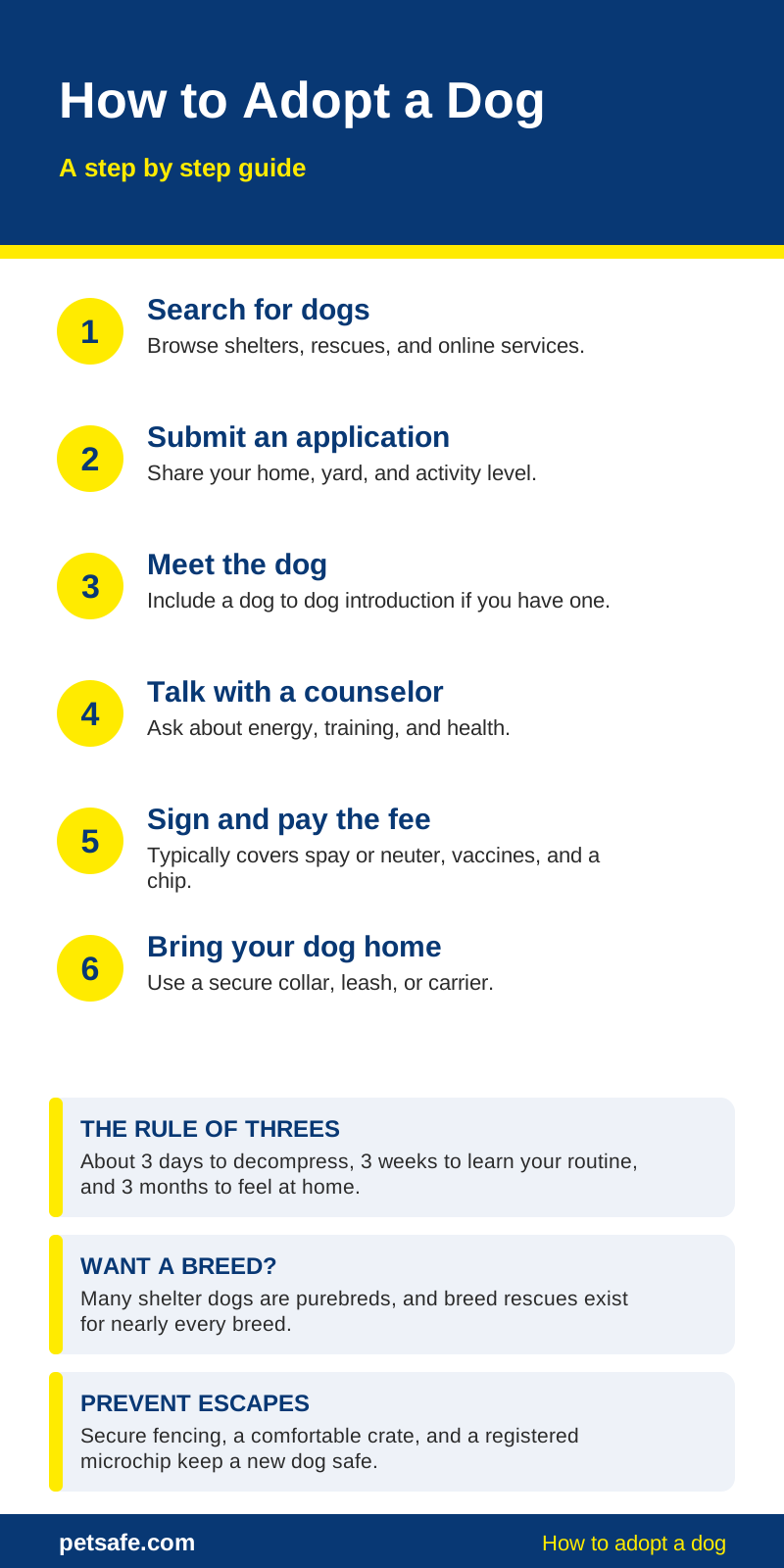
How dog adoption works, step by step
Most shelters and rescues follow the same basic path, and knowing it ahead of time makes adoption day smoother.
- Search for adoptable dogs. Browse dogs at local shelters and rescues or through an online adoption service, and note the ones whose size and energy fit your life.
- Submit an application. Expect questions about your home, yard, work schedule, activity level, and experience with dogs.
- Meet the dog. A meet and greet shows how you connect. If you have a resident dog, many shelters require a supervised dog-to-dog introduction.
- Talk with an adoption counselor. Ask about energy level, training, health history, and how the dog does with people, dogs, cats, and children.
- Pass any required checks. Foster-based rescues often verify that your landlord allows dogs, that your yard is secure, or arrange a home check.
- Sign the agreement and pay the fee. The contract commits you to lifelong care and to returning the dog to the organization if you ever cannot keep it.
- Bring your dog home. Use a secure collar and leash, or a crate for the car, and plan a calm, direct trip home.
How much does it cost to adopt a dog?
Dog adoption fees vary by organization and by the dog, but they commonly range from around $50 at municipal shelters to $350 or more at private and breed-specific rescues. Puppies usually cost more than adult dogs, and purebreds from breed rescues sit at the higher end. Many shelters reduce or waive fees for adult and senior dogs, large dogs, and long-stay dogs, and adoption drives such as Clear the Shelters each summer and the annual push during October, which is Adopt a Shelter Dog Month, often feature reduced fees.
The fee is not the price of the dog. It helps cover the care the organization already provided, which typically includes spay or neuter surgery, core vaccinations, a microchip, an initial exam, and deworming or parasite treatment, and often heartworm testing. [3] Purchased separately, those services would cost far more than a typical fee. Budget for ongoing care too: food, routine veterinary visits, parasite prevention, training, supplies, and the occasional emergency over your dog's full lifespan.
How old do you have to be to adopt a dog?
Most shelters and rescues require dog adopters to be at least 18, because signing an adoption agreement is a legal contract. Some private rescues set the minimum at 21, and many ask that every adult in the household agrees to the adoption. If you are under 18, an adult in your home will need to be the legal adopter.
Where to find adoptable dogs
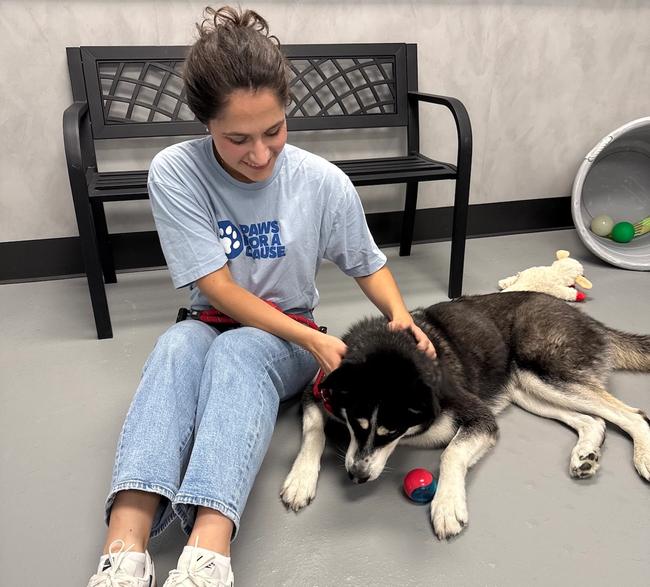
You have many places to find a dog. Municipal and county shelters usually offer the widest variety and the lowest fees, with same-day adoptions. Private nonprofit shelters and humane societies often provide detailed behavior notes. Breed-specific rescues are the place to start if you want a particular breed. Foster-based rescues keep dogs in volunteer homes, so the foster can tell you how the dog behaves in a real household, including house-training and how it does with other pets. Online adoption services let you filter by location, size, age, and energy. Many national pet store chains host in-store adoption events through their charitable foundations, in partnership with local shelters and rescues that own the dogs and set the fees.
How to adopt a rescue dog
Adopting a rescue dog is the same core process as any adoption, with a few things to expect. Rescue dogs come from many places: owner surrenders, strays, other shelters at capacity, and transport programs. A foster-based rescue can be especially helpful, because the foster has seen the dog in a home and can describe its house-training, energy, and quirks honestly. Be patient with the application and vetting, which can take a few days, and go in with realistic expectations. A rescue dog may arrive nervous or unsure, and it needs time and calm, reward-based guidance to reveal its true personality. The payoff is a devoted companion and a life saved.

Adopting a specific breed
If your heart is set on a particular breed, you do not have to buy from a breeder. A large share of dogs in shelters are purebreds, and dedicated breed-specific rescues exist for nearly every breed, from retrievers to hounds to small companion dogs. These rescues know their breed's traits and needs and can help match you with a dog whose temperament and energy suit your home. Searching online adoption services by breed and connecting with a national or regional breed rescue is the fastest route. Choosing rescue or a truly responsible breeder also keeps you clear of high-volume commercial breeding operations, sometimes called puppy mills, where animals are bred for profit with little regard for health or welfare.
How to choose the right dog
The best dog for you fits your daily life, not just your eye. Weigh these before you commit:
- Energy and exercise. High-energy and working breeds need substantial daily activity and mental work; a lower-energy dog suits a calmer household.
- Size and space. Consider your home, your yard, and any building rules or size limits.
- Age. Puppies need training and constant supervision; adult dogs are often house-trained and calmer, and senior dogs are loving and frequently overlooked.
- Time. Dogs are social and need company, exercise, and training time every day.
- Other pets and kids. Ask how the dog has done with dogs, cats, and children, and plan supervised introductions.
- Grooming. Some coats need regular professional grooming.
The adjustment period: the rule of threes
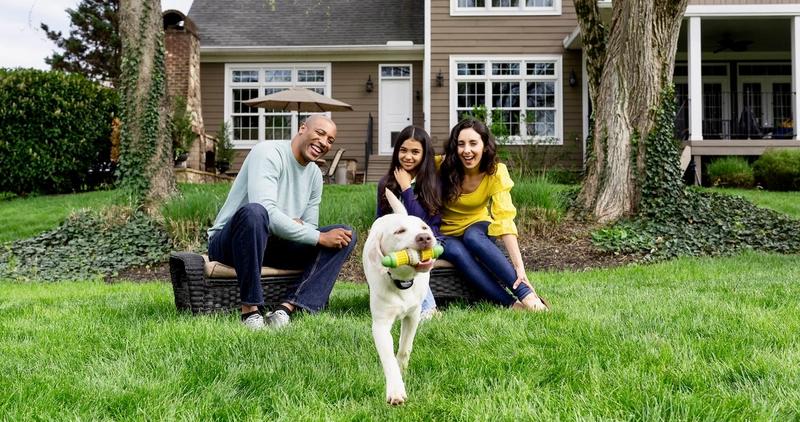
A newly adopted dog needs time to settle, and a widely used guideline is the rule of threes: about three days to decompress, three weeks to learn your routine, and three months to feel truly at home. [2] In the first days, keep the environment calm and quiet, limit visitors and outings, and let your dog come to you. Over the first weeks, a consistent schedule of feeding, walks, and rest builds trust and helps with house-training. Use reward-based methods only, praising and treating the behavior you want, since positive reinforcement is the approach veterinary behavior experts recommend and it builds a confident, trusting dog. [4] A crate introduced as a comfortable den, never as punishment, gives your dog a safe retreat and supports house-training during this period. Patience now prevents most early setbacks. If you adopted a puppy, our new puppy checklist and guide on how to train a puppy cover those first weeks in depth.
Prepare your home and keep your dog secure
Prepare your home before your dog arrives, and make escape prevention a priority. A frightened new dog is a flight risk, and the first weeks are when dogs most often bolt or dig out, so secure your space first. Walk your yard and confirm your fencing has no gaps, low spots, or loose boards, and that gates latch securely. Indoors, use gates to manage access, remove hazards and chewables, and set up a crate or a defined space as a safe home base. Protect against a lost dog with layered identification: a well-fitted collar with an ID tag, plus a microchip registered to your current contact information. Microchips make a huge difference; in one large study, microchipped dogs were returned to their owners about 52 percent of the time, compared with about 22 percent of dogs without one. [5] Register the chip and keep the details current, because a chip only helps if it points to you. Calming aids can also ease anxiety during the first days.
Introduce your dog to other pets and kids
Slow, supervised introductions set the tone. Introduce a new dog to a resident dog on neutral ground, such as a walk side by side, before bringing it into the home, and keep both on loose leashes. For cats, keep the dog leashed and let the cat control the distance and retreat freely, over many short sessions. Give each pet its own food, water, and resting space to prevent guarding, and never leave a new dog unsupervised with other pets or young children until you know them all well. Teach children to let the dog approach them and to give it space when it rests. Rushed introductions are the most common reason a new dog struggles, so let everyone move at the dog's pace.
Special cases: service, therapy, and retired working dogs
A few dog-adoption questions come up often and follow separate paths from standard shelter adoption:
- Service dogs are individually trained to perform tasks for a person with a disability and are usually raised and placed through specialized programs, not adopted as pets. Some programs adopt out career-change dogs that were released from training. [6]
- Therapy dogs are pets that pass a temperament evaluation and register with a therapy organization to visit hospitals, schools, and care facilities. Any suitable adopted dog can potentially train for this role; it is a certification path, not a type of dog you adopt. [6]
- Retired police and military working dogs are adopted through agency-specific programs. Former handlers typically get first priority, and retired military working dogs are placed through an official Department of Defense program and reputable nonprofits.
- Adopting a dog for free is uncommon at reputable organizations, because fees fund the care each animal receives, but fee-waived events do happen, especially for adult and long-stay dogs.
Frequently asked questions
How much does it cost to adopt a dog, and what is included?
Dog adoption fees commonly range from about $50 to $350 or more, with puppies and purebreds at the higher end. The fee typically covers spay or neuter surgery, core vaccinations, a microchip, an initial exam, and deworming, which makes adopting far cheaper than buying those services separately.
How do I adopt a rescue dog?
Find a dog through a shelter, rescue, or online adoption service, submit an application, meet the dog, pass any required checks such as a home check or a meet and greet with your current dog, and sign the adoption agreement. Foster-based rescues can tell you how the dog behaves in a home.
What is the 3-3-3 rule for a newly adopted dog?
It is a guideline for the adjustment period: about three days to decompress, three weeks to learn your routine, and three months to feel fully at home. Keep things calm early, build a consistent routine, and use reward-based training throughout.
How old do you have to be to adopt a dog?
Most shelters require adopters to be at least 18, since adoption is a legal contract, and some private rescues require 21.
Can I adopt a specific breed?
Yes. Many shelter dogs are purebreds, and breed-specific rescues exist for nearly every breed. Search online adoption services by breed and contact a regional or national breed rescue.
How do I adopt a retired police or military dog?
These dogs are placed through agency-specific programs rather than typical shelters. Former handlers usually get first priority, and retired military working dogs are adopted through an official Department of Defense program and established nonprofits.
Can I adopt a dog for free?
Rarely, since fees fund each animal's care, but fee-waived adoption events do happen, often for adult, senior, or long-stay dogs and during drives such as Clear the Shelters or Adopt a Shelter Dog Month in October.
Citations and sources
- ASPCA, "Adoption Tips: Finding and Welcoming Home Your Pet." aspca.org
- ASPCA Professional, "Pet Adjustment Periods: The 3 Days, 3 Weeks, 3 Months Guide." aspcapro.org
- ASPCA, adoption fees and what they include. aspca.org
- American Veterinary Society of Animal Behavior, position statement on humane, reward-based training. avsab.org
- American Veterinary Medical Association, microchipping of animals and return-to-owner data. avma.org
- American Kennel Club, "Service, Working, Therapy, and Emotional Support Dogs: What Is the Difference?" akc.org
Last modified: October 22, 2026.


Get Email Updates
Subscribe to the latest news, promotions, & more from PetSafe® brand.
Sign up today for the latest news, promotions, and more from PetSafe® brand.