September 30, 2026
PetSafe® Expert
PetSafe® Guest
How To Choose the Best Pet Water Fountain for Your Cat or Dog
If your cat walks past a full bowl to drink from a dripping faucet, you already know the problem a water fountain is built to solve. Cats are naturally reluctant drinkers, and many pets prefer water that moves, looks fresh, and tastes clean. A pet water fountain keeps water circulating and filtered around the clock, which can make drinking more appealing for cats and dogs alike. Whether you are shopping for a cat water fountain, a dog water fountain, or one model that serves both, the decision comes down to the same handful of features. This guide walks through how to choose the right fountain for your home, what actually matters when you shop, and which PetSafe® fountain fits each type of pet and household. Because the same fountains work for cats and dogs, we lead with cats, where the hydration case is strongest, and call out what changes for dogs and larger breeds along the way.
Key points
- Movement and freshness are the draw. A fountain circulates and filters water continuously, which appeals to pets who ignore still water in a bowl.
- The benefit is real but individual. Controlled studies show some cats drink more from moving water while others show little change, so a fountain is one tool alongside wet food and several water stations.
- Material drives hygiene. Stainless steel and ceramic are non-porous and easier to keep clean than plastic, and they resist the scratches that trap bacteria.
- Match capacity to your household. A single cat needs far less reservoir than a large dog or a multi-pet home.
- Easy cleaning matters most day to day. Fewer parts and dishwasher-safe pieces are what keep a fountain running and fresh over the long term.
- Hydration supports urinary and kidney health. Encouraging steady water intake helps dilute urine and support the urinary tract, which is especially important for cats.
What is in this guide
- Do cats and dogs really need a water fountain
- How to choose a pet water fountain: 8 factors that matter
- The best PetSafe fountains by use case
- Cats and dogs: what changes when you choose
- Why hydration matters for cats and dogs
- How to get your pet to use a new fountain
- How to clean a pet water fountain and how often
- How much pet water fountains cost
- Frequently asked questions
- Citations and sources
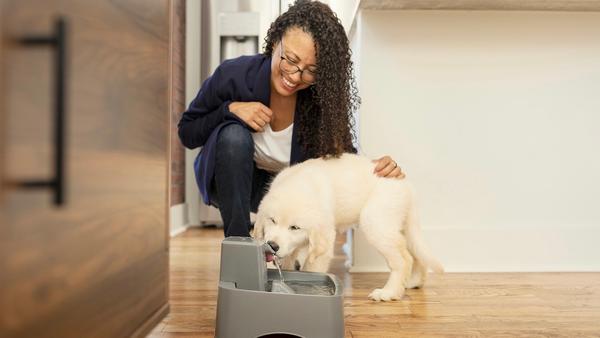
Do cats and dogs really need a water fountain?
For many households, yes, though a fountain is a helpful tool rather than a cure-all. The honest answer depends on your pet. Some cats and dogs are clearly drawn to running water and will drink more when it is fresh and moving. Others are content with a clean bowl. A fountain earns its place by keeping water circulating, filtered, and cool throughout the day, which removes the most common reasons a pet turns its nose up at still water: dust, hair, food debris, and a flat, stale taste.
Why cats are reluctant drinkers
Cats descend from desert-dwelling ancestors and evolved to get most of their moisture from prey rather than from drinking. That low thirst drive still shapes how modern cats behave, and it is a big reason so many cats live in a state of mild, chronic under-hydration. A cat eating mostly kibble takes in far less moisture than one eating wet food, since kibble contains less than 20 percent moisture while wet food is more than 65 percent moisture [6]. Fresh, moving water gives reluctant drinkers another reason to visit the bowl more often.
What the research actually says
It helps to be clear-eyed about the evidence, because the effect is more nuanced than most buying guides admit. In controlled studies, a fountain increases water intake for some individual cats but does not reliably raise intake or dilute urine across every cat tested [3]. Other research comparing still, free-falling, and circulating water found no significant difference in intake for the group as a whole, with only individual cats showing a preference [4]. The practical takeaway is encouraging rather than discouraging: if your cat is one of the many who gravitate toward running taps or moving water, a fountain is well worth trying, and it pairs naturally with wet food and multiple water stations as part of a broader approach to keeping your pet hydrated. Keep a clean bowl available too, especially while your pet gets used to something new.
How to choose a pet water fountain: 8 factors that matter
Rather than chasing a single best model, it helps to know the handful of factors that separate a fountain you will love from one that ends up in a cupboard. Work through these eight, then match them to your pet and your patience for maintenance. You can see how each factor plays out across the current lineup on the PetSafe pet water fountains page.
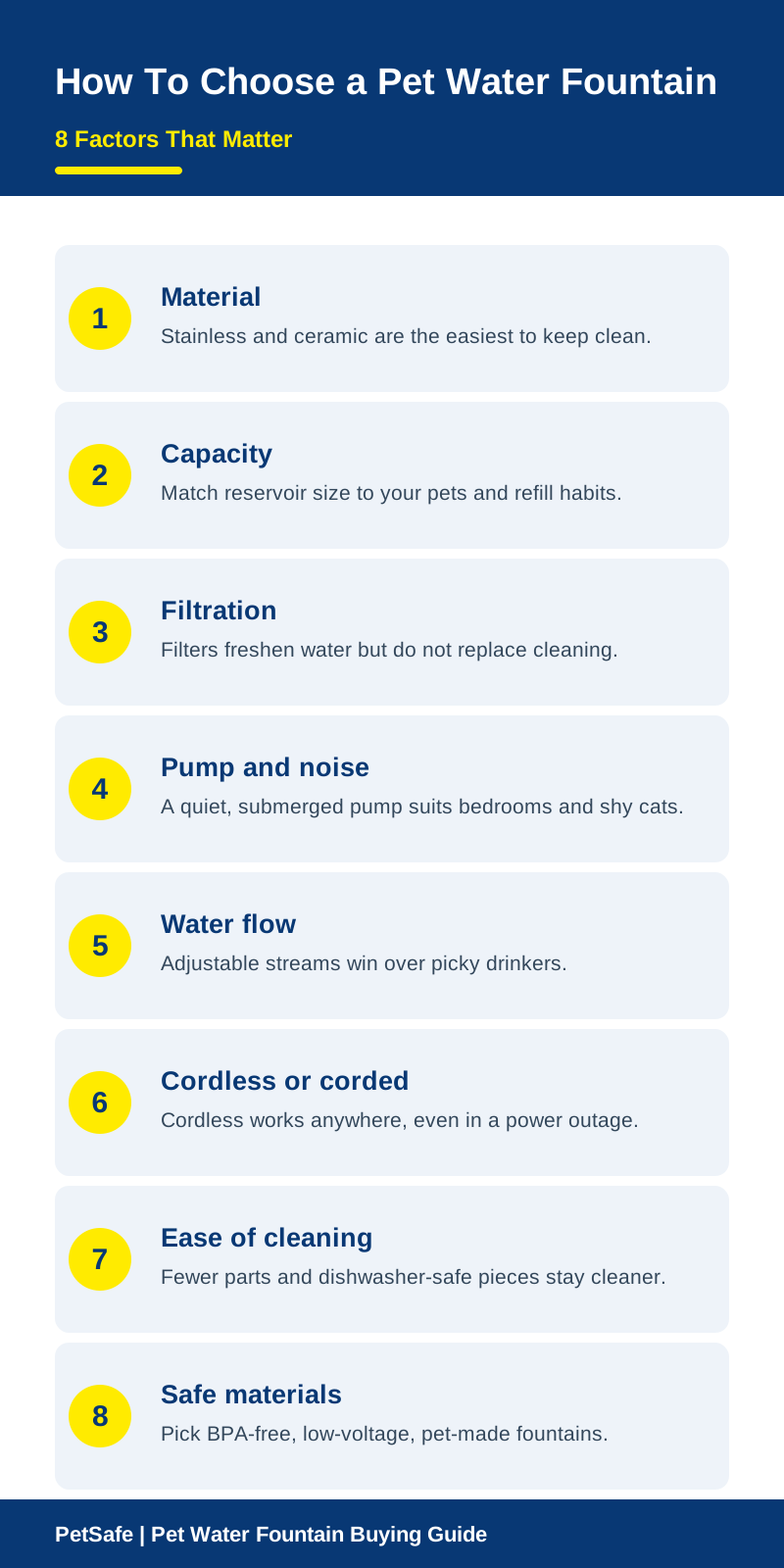
Material: stainless steel, ceramic, or plastic
Material is the first fork in the road because it drives both hygiene and durability. Stainless steel and ceramic are non-porous, which means they resist the fine scratches that harbor bacterial film over time, and they are simple to sanitize. Veterinarians often suggest switching from plastic to stainless or ceramic for cats prone to chin acne, a common irritation linked to bacteria that collect in scratched plastic. Plastic fountains are lighter and typically the most affordable, and a quality BPA-free plastic is perfectly serviceable if you clean it regularly. Ceramic sits in the middle: attractive and non-porous, though heavier and able to chip if dropped.
Capacity for your household
Reservoir size should match the number and size of your pets and how often you want to refill. A rough guide: a single cat or small dog is well served by a 60 to 70 ounce fountain, a multi-cat home or medium dog does better around 100 to 130 ounces, and a large dog or a busy multi-pet household benefits from 128 ounces up to several hundred ounces. Treat capacity as stored volume, not a license to leave the fountain unattended for a week. You should still check the level and refresh the water regularly.
Filtration and filterless options
Most fountains use replaceable filters. Carbon filters reduce odor and improve taste, while foam or mesh filters trap hair and debris. Filters catch particles and improve flavor, but they do not sterilize water, so they are a supplement to regular cleaning rather than a replacement for it. Plan to change filters every two to four weeks. If you would rather skip the recurring cost and the trip to reorder filters, a pumpless or filterless design is worth a look, and it keeps working even during a power outage. In hard-water areas, limescale builds faster, so expect to clean more often whichever style you choose.
Pump and noise
The pump is the heart of an electric fountain, and a well-designed pump running with enough water is nearly silent. Noise usually creeps in when the water level drops and the pump starts pulling air, which is also when pumps are most likely to burn out. If the fountain will live in a bedroom or a quiet apartment, look for a submersible pump described as quiet, and keep the reservoir topped up so the motor stays fully submerged.
Water flow for picky drinkers
Pets have preferences about how water moves. Some like a gentle stream, some prefer a free-falling stream they can lap at like a faucet, and others are drawn to a bubbling upwell. If you have a fussy drinker, an adjustable flow lets you dial in the setting that tempts them, and multiple streams let more than one pet drink at the same time. This is often the difference between a cat who adopts the fountain immediately and one who needs coaxing.
Cordless or corded
A corded fountain runs continuously and never needs recharging, which is simplest for a permanent spot near an outlet. A cordless, battery-powered fountain can go anywhere in the home, travels well, and keeps circulating water during a power outage. Choose based on where you want the fountain and how much placement freedom matters to you.
Ease of cleaning
This is the factor owners underestimate and later regret. A fountain you can take apart quickly, with few parts, wide openings, and dishwasher-safe pieces, is a fountain you will actually keep clean. Anything fiddly tends to get cleaned less often, which defeats the purpose. If low maintenance is your priority, weight this heavily and favor a wire-free pump and a short parts list.
Safe, pet-friendly materials
Finally, stick with fountains made for pets. Look for BPA-free plastics, low-voltage pumps, and materials intended for daily contact with your pet's mouth and chin. A purpose-built pet fountain is designed around safety and hygiene in a way a decorative fountain is not.
The best PetSafe fountains by use case
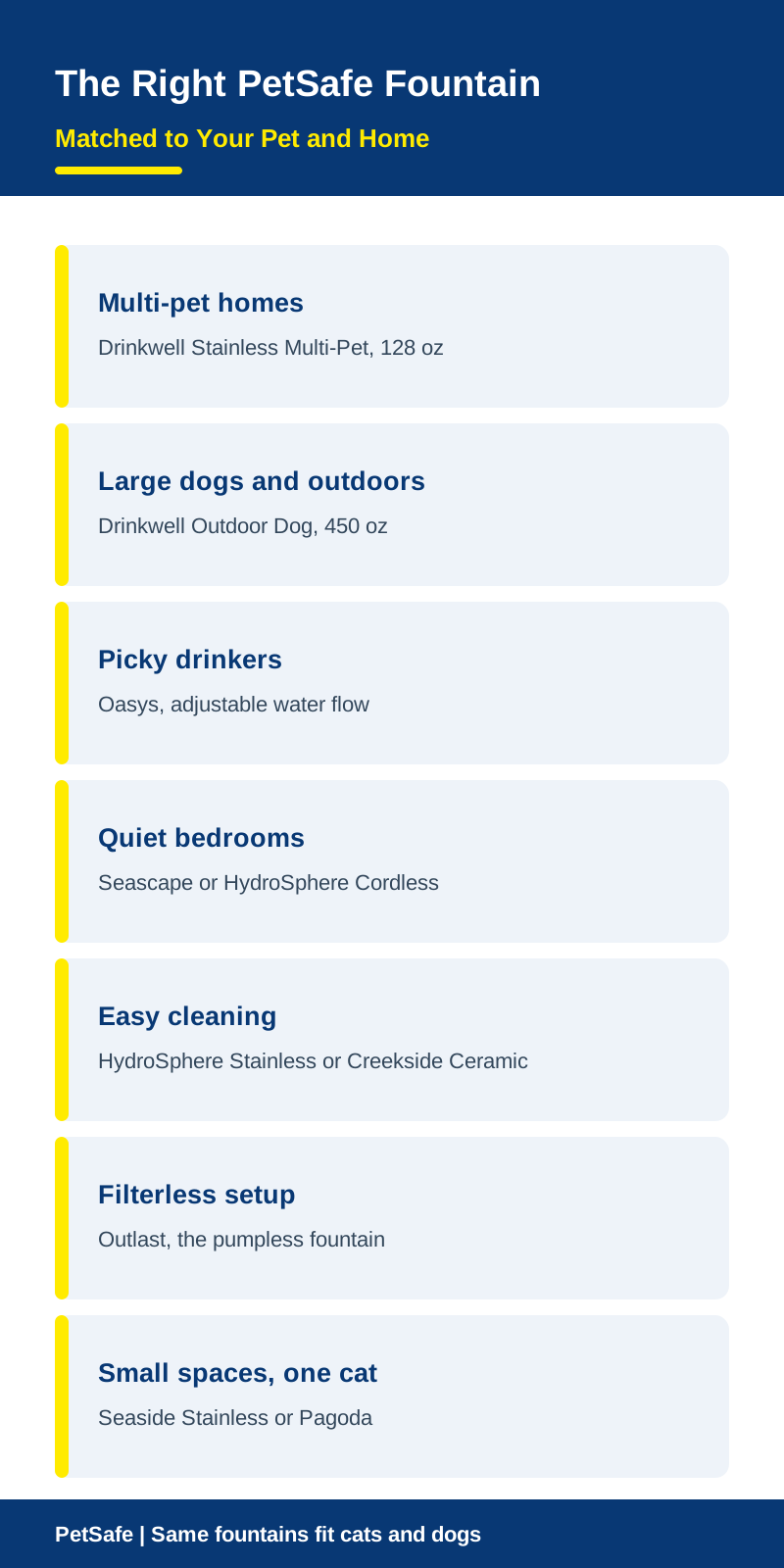
PetSafe offers a full range of fountains, and the good news is that the same models serve cats and dogs, so you can shop the cat fountains or dog fountains collection and find the identical lineup. Rather than list every specification, which lives on each product page, here is how the range maps to the situations most shoppers are trying to solve. Match your household to a use case and start there.
Best for multi-cat and multi-pet homes
When several pets share one water source, you want high capacity and access from more than one side. The best-selling Drinkwell Stainless Steel Multi-Pet Fountain holds 128 ounces, offers customizable streams, and is designed so multiple pets can drink at once without crowding. The stainless build keeps a busy fountain hygienic between cleanings. For very active homes, the Oasys Pet Fountain scales up to 256 ounces.
Best for large dogs and the outdoors
Large and multiple dogs go through water fast and need a deep, stable bowl. The Drinkwell Outdoor Dog Fountain holds 450 ounces, uses a deep drinking bowl that reduces spills, and is built for pets of all sizes, indoors or out. For a high-capacity indoor option, the Drinkwell Platinum holds 168 ounces and is weighted to resist sliding and tipping when an enthusiastic drinker leans in.
Best for picky drinkers
If your pet ignores still water, choose a model that lets you tune the flow. The Oasys Pet Fountain offers adjustable water flow so you can find the stream your pet likes, and the Drinkwell Multi-Pet Fountain provides customizable streams for the same reason. Being able to change how the water moves is often what wins over a hesitant cat.
Best for a quiet bedroom
For light sleepers and easily startled cats, quiet operation is the priority. The Drinkwell Seascape uses a submersible, quiet pump, and the HydroSphere 60 oz Cordless Fountain runs on a rechargeable battery so you can place it away from clutter and keep the noise low. Keeping the reservoir full also keeps any fountain running at its quietest.
Best for easy cleaning
To make maintenance painless, look for a short parts list and a simple pump. The HydroSphere 60 oz Stainless Steel Fountain uses a wire-free pump for quick, easy cleaning, and its stainless steel construction is more hygienic and helps prevent pet acne. The Creekside Ceramic Pet Fountain is scratch-resistant and dishwasher safe, another low-effort choice.
Best filterless option
If you would rather not buy filters or worry about a pump, the Outlast Pet Fountain is the world's first pumpless pet fountain and comes in 60, 90, and 128 ounce sizes. It keeps water fresh without electricity, which also means it keeps working in a power outage. For the simplest setup of all, the Healthy Pet Water Station is a gravity-fed waterer available in three sizes and easy to clean, a nice backup source or a low-tech option for pets who are not fussy about movement.
Best for small spaces and single cats
A single cat in an apartment does not need a large reservoir. A 60 ounce stainless option such as the Seaside Stainless Pet Fountain keeps things compact, hygienic, and quiet, while the ceramic Drinkwell Pagoda offers two drinking levels and an attractive footprint for a small home.
Cats and dogs: what changes when you choose
The mechanics of a fountain are the same for both pets, but the priorities shift. Here is how to weight your decision depending on who is drinking.
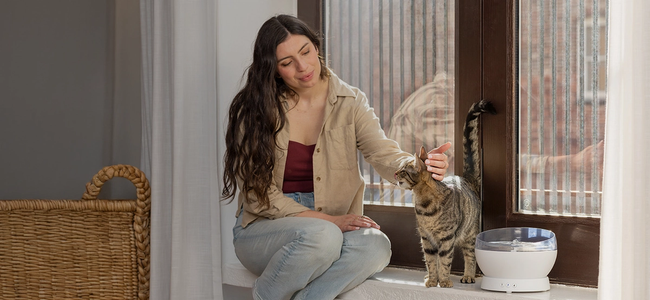
Choosing a cat water fountain
When you are choosing a cat fountain, prioritize a non-porous material, a quiet pump, and a flow your cat finds appealing. Many cats are sensitive to noise and to the feel of a deep or narrow bowl against their face, so stainless steel or ceramic and a low, wide drinking area tend to work well. Because feline hydration is closely tied to urinary and kidney health, a fountain that encourages even slightly more frequent drinking is a worthwhile investment for most cat owners.
Choosing a dog water fountain, including large breeds
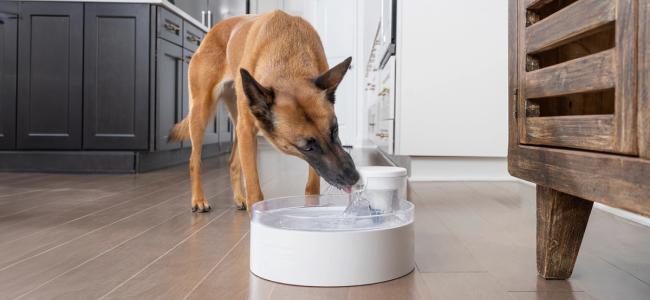
For a dog water fountain, capacity and stability move to the top of the list. A large or high-energy dog can empty a small fountain quickly, so choose a bigger reservoir and a base that will not slide across the floor or tip when your dog drinks eagerly. A deeper bowl helps big dogs drink comfortably and cuts down on splashing. Households with both cats and dogs can usually settle on a single higher-capacity model with multiple drinking points, since the same PetSafe fountains suit either pet.
Why hydration matters for cats and dogs
A fountain is ultimately a means to an end, and that end is steady, healthy hydration. Water supports nearly every system in your pet's body, from digestion to temperature regulation, and it is especially important for the kidneys and urinary tract.
How much water does a cat or dog need each day?
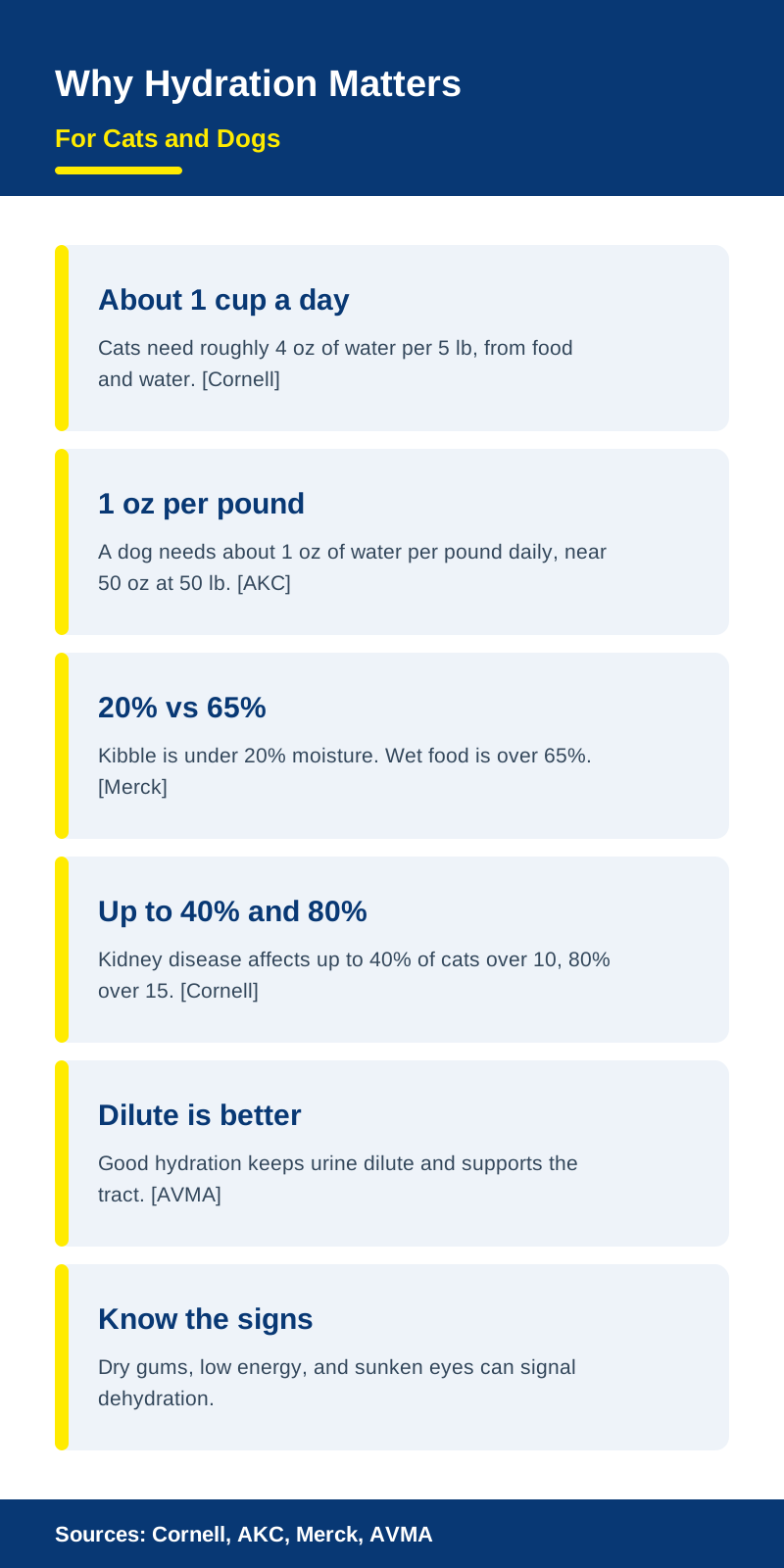
As a general guide, a cat needs roughly 4 ounces of water for every 5 pounds of body weight per day, which works out to about one cup a day for a 10 pound cat, counting moisture from food as well as drinking [1]. Dogs need more in proportion to their size, around 1 ounce of water per pound of body weight per day, so a 50 pound dog needs roughly 50 ounces [5]. These are starting points, not strict targets. Activity, weather, and diet all shift the numbers, and a cat eating wet food will drink less from the bowl because more of its water comes from meals, which is completely normal.
Signs of dehydration
Knowing the warning signs helps you catch a problem early. In cats, watch for lethargy, poor appetite, dry or tacky gums, and sunken eyes [1]. In dogs, look for the same signs along with heavy panting, and try the skin-elasticity test: gently lift the skin between the shoulder blades, and if it is slow to settle back into place, your dog may be dehydrated [5]. Moderate or severe dehydration is a medical concern, so contact your veterinarian if you see these signs, and treat any straining to urinate as an emergency.
Fountains, urinary health, and kidney health
Good hydration keeps urine more dilute, which helps flush the urinary tract and lowers the risk of the crystals and stones involved in feline lower urinary tract disease [7]. Since many cats simply do not drink enough on their own, anything that nudges them to drink a little more, including a fountain they enjoy, supports this system. This is also why hydration is a recurring theme in feline wellness care. PetSafe founded National Pet Hydration Awareness Month, observed each July, precisely because so many pets are quietly under-hydrated without their owners realizing it.
Cats with kidney disease or urinary issues
Hydration becomes even more important for cats with kidney disease. Chronic kidney disease is one of the most common conditions in older cats, affecting up to 40 percent of cats over age 10 and up to 80 percent of cats over age 15 [2]. For these cats, maintaining good hydration is essential, since dehydration can accelerate damage to the kidneys, and many affected cats show a preference for drinking from fountains and from fresh water offered in several locations [2]. If your cat has a diagnosed kidney or urinary condition, treat a fountain as a supportive tool and follow the hydration and treatment plan your veterinarian sets.
How to get your cat or dog to use a new fountain
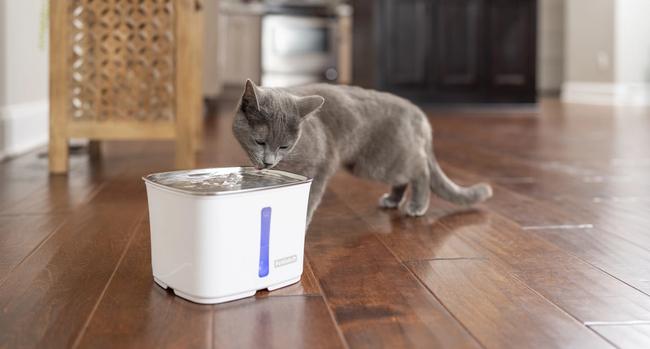
A new fountain is a change, and some pets adapt in minutes while others take a week or two. A few simple steps smooth the transition. Place the fountain away from the food bowl and the litter box, since cats instinctively avoid drinking near food or waste. Keep it spotlessly clean from day one, because any odor or film will send a sensitive pet back to the tap. If your fountain has an adjustable flow, start gentle and experiment until you find the setting your pet investigates. Leave a familiar water bowl nearby during the switch so no one goes without, and give it time. Curiosity usually wins.
How to clean a pet water fountain and how often
Cleaning is the single most important habit for keeping a fountain healthy and appealing, and it is where many owners fall short. As a routine, rinse the bowl and top up the water every day or two, wash the visible parts with mild soap about once a week, and take the pump apart to clear any buildup on the same weekly schedule. Replace filters every two to four weeks, and more often in hard-water areas where limescale accumulates faster. Dishwasher-safe components make this far less of a chore, which is one more reason ease of cleaning belongs high on your shopping list. A clean fountain is one your pet will keep using, so the maintenance pays for itself in hydration.
How much do pet water fountains cost?
Pet water fountains span a wide range, and price generally tracks material, capacity, and features rather than a simple better-or-worse scale. Entry-level plastic fountains are the most affordable and cover the basics of filtered, circulating water. Mid-range models, where most shoppers land, add larger capacity, quieter pumps, and sturdier builds. Premium fountains bring stainless steel or ceramic construction, cordless operation, and extras like advanced sanitation. It is also worth thinking about the ongoing cost of ownership: fountains that use replaceable filters carry a small recurring expense every few weeks, while pumpless and filterless designs avoid that cost entirely. Weigh the upfront price against how long you plan to use the fountain and how much maintenance you want to take on.
Frequently asked questions
Are pet water fountains worth it?
For many households, yes. A fountain keeps water fresh, filtered, and moving, which appeals to cats and dogs who ignore still water and cuts down on refills. Research shows the benefit varies by individual pet, so keep a clean bowl available too and pair the fountain with wet food.
Do cats really need a water fountain?
Cats do not strictly need a fountain, but many benefit from one. Cats are naturally low-thirst drinkers, and some are far more interested in running water than in a still bowl. If your cat gravitates toward faucets, a cat water fountain is an easy way to encourage more frequent drinking and better hydration.
How much water should a cat drink a day?
A cat needs about 4 ounces of water for every 5 pounds of body weight per day, or roughly one cup a day for a 10 pound cat. That total includes moisture from food, so cats eating wet food will drink less from the bowl, which is normal.
How much water should a dog drink a day?
As a general rule, a dog needs about 1 ounce of water per pound of body weight each day, so a 50 pound dog needs roughly 50 ounces. Active dogs and hot weather increase the need. If your dog suddenly drinks far more or far less than usual, check with your veterinarian.
Stainless steel, ceramic, or plastic: which is best?
Stainless steel and ceramic are the most hygienic because they are non-porous and resist the scratches that trap bacteria. Both are easy to sanitize and can help with feline chin acne. Plastic is lighter and more affordable, and a BPA-free plastic fountain works well as long as you clean it regularly.
How often should you clean a pet water fountain?
Rinse and top up the water every day or two, wash the parts weekly, and take the pump apart to clean it on the same weekly schedule. Replace filters every two to four weeks, and clean more often in hard-water areas where limescale builds up faster.
Can you leave a pet water fountain on all the time?
Yes. Fountains are designed for continuous use, and running one around the clock keeps water fresh and prevents stagnation. The key is to keep the reservoir topped up so the pump stays fully submerged, which keeps it quiet and helps the motor last.
What size fountain does a large dog need?
Choose a high-capacity dog water fountain, from 128 ounces up to several hundred ounces, with a deep bowl and a stable, tip-resistant base. Large and multiple dogs drink a lot, so a bigger reservoir means fewer refills and a base that will not slide keeps the floor dry.
Are filterless or pumpless fountains any good?
Yes. Pumpless and filterless designs keep water fresh without electricity, so they keep working during a power outage and eliminate the recurring cost of replacement filters. They are a strong low-maintenance choice, though electric fountains offer more flow options for picky drinkers.
Do water fountains help cats with urinary or kidney problems?
Good hydration supports urinary and kidney health by keeping urine dilute, and some cats drink more from a fountain they enjoy. A fountain is a supportive tool, not a treatment. If your cat has a diagnosed condition, follow the hydration and care plan your veterinarian recommends.
Why won't my cat use the new fountain?
Give it time and remove the common obstacles. Place the fountain away from food and the litter box, keep it very clean, and try a gentler or different flow setting. Leave a familiar bowl nearby during the switch. Most cats come around once the fountain is clean, quiet, and in a spot they like.
Can cats and dogs share the same fountain?
Yes. PetSafe fountains work for both cats and dogs, so a multi-pet home can use a single model. Choose a higher-capacity fountain with more than one drinking point so several pets can drink comfortably, and clean it a little more often since it will see heavier use.
Citations and sources
- [1] Cornell Feline Health Center. Hydration. vet.cornell.edu
- [2] Cornell Feline Health Center. Chronic Kidney Disease. vet.cornell.edu
- [3] Grant DC. Effect of water source on intake and urine concentration in healthy cats. Journal of Feline Medicine and Surgery, 2010. journals.sagepub.com
- [4] Robbins MT, et al. Quantified water intake in laboratory cats from still, free-falling and circulating water bowls, and its effects on selected urinary parameters. Journal of Feline Medicine and Surgery, 2019. pubmed.ncbi.nlm.nih.gov
- [5] American Kennel Club. Signs and Symptoms of Dehydration in Dogs. akc.org
- [6] Merck Veterinary Manual. Nutritional Requirements of Small Animals. merckvetmanual.com
- [7] American Veterinary Medical Association. Feline Lower Urinary Tract Disease. avma.org
Last modified: September 30, 2026


Get Email Updates
Subscribe to the latest news, promotions, & more from PetSafe® brand.
Sign up today for the latest news, promotions, and more from PetSafe® brand.