October 22, 2026
PetSafe® Expert
PetSafe® Guest
How to Adopt a Cat: A Step-by-Step Guide
Adopting a cat means giving a shelter or rescue cat a permanent home, and it is one of the most rewarding and affordable ways to add a companion to your life. You find a cat through a shelter, rescue, or online adoption service, complete an application, meet the cat, and sign an adoption agreement. Most cat adoptions finish within a few days, and the fee usually covers spay or neuter surgery, vaccinations, and a microchip. This guide covers the whole journey, including how to tell a stray from a feral cat, why adult cats deserve a look, and how to set up a safe indoor home. For a broader overview across species, see our guide on how to adopt a pet.
Key Points
- The cat adoption process is straightforward: find a cat, apply, meet, and finalize an adoption agreement, often the same day.
- Adoption fees for cats commonly range from about $50 to $175, typically including spay or neuter surgery, core vaccines, and a microchip. [1]
- Most shelters require adopters to be at least 18, since adoption is a legal contract.
- A stray cat is a lost or abandoned pet that may be adoptable, while a feral cat is unsocialized and usually best helped through trap-neuter-return, not adoption. [2]
- Adult cats are frequently overlooked during kitten season yet make wonderful, calmer companions. [3]
- Cats should be kept indoors for safety, and a secure home plus a microchip is the best protection against a lost cat. [4]
Table of Contents
- How cat adoption works, step by step
- How much does it cost to adopt a cat?
- How old do you have to be to adopt a cat?
- Where to find adoptable cats
- Adopting a shelter cat versus taking in a stray
- Kitten season and why adult cats deserve a look
- Should you adopt one cat or two?
- How to choose the right cat
- Set up a safe indoor home for your cat
- Introduce your new cat the right way
- Indoor safety and preventing escapes
- Frequently asked questions
- Citations and sources
How cat adoption works, step by step
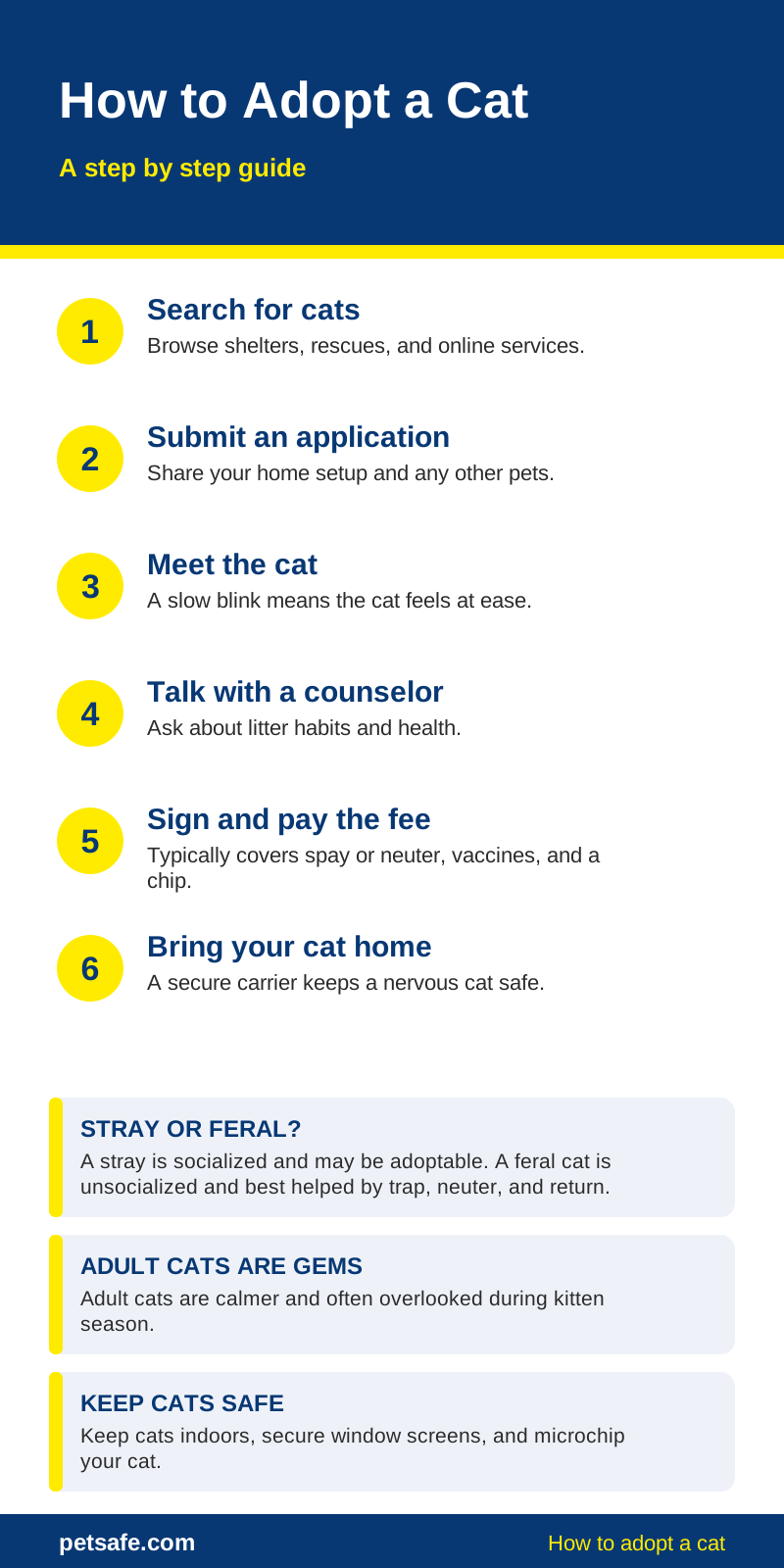
Cat adoption follows a simple path at most organizations, and many finish the same day you visit.
- Search for adoptable cats. Browse cats at local shelters and rescues or through an online adoption service, and note ages and personalities that fit your home.
- Submit an application. Expect questions about your home, other pets, and whether your cat will live indoors.
- Meet the cat. Spend quiet time together. A relaxed cat may slow-blink at you, a friendly sign that it feels at ease.
- Talk with an adoption counselor. Ask about health history, litter box habits, and how the cat does with other animals and children.
- Pass any required checks. Some rescues confirm your landlord allows pets or that your home is set up for an indoor cat.
- Sign the agreement and pay the fee. The contract commits you to lifelong care and to returning the cat to the organization if you ever cannot keep it.
- Bring your cat home in a carrier. A secure carrier keeps a nervous cat safe on the trip and becomes a familiar retreat later.
How much does it cost to adopt a cat?
Cat adoption fees vary by organization and by the cat, but they commonly fall between about $50 and $175. Kittens usually cost more than adult cats, and purebred cats from breed-specific rescues sit higher. Many shelters reduce or waive fees for adult and senior cats, for long-stay cats, and during adoption drives such as Clear the Shelters each summer or the annual push during June, which is Adopt a Shelter Cat Month.
The fee is not the price of the cat. It helps cover the care the organization already provided, which typically includes spay or neuter surgery, core vaccinations, a microchip, an initial exam, and deworming or parasite treatment. [5] Bought separately, those services would cost far more than a typical fee, so adopting is the economical choice. Remember to budget for ongoing care too: food, litter, routine veterinary visits, parasite prevention, and supplies over the cat's full lifespan.

How old do you have to be to adopt a cat?
Most shelters and rescues require cat adopters to be at least 18, because signing an adoption agreement is a legal contract. Some private rescues set the minimum at 21, and many ask that all adults in the home agree to the adoption. If you are under 18, an adult in your household will need to be the legal adopter.
Where to find adoptable cats
Cats are the most common animal in shelters, so you have plenty of places to look. Municipal and county shelters usually have the widest selection and the lowest fees. Private nonprofit shelters and humane societies often provide detailed notes on personality and litter box habits. Breed-specific rescues serve people set on a particular type of cat. Foster-based rescues keep cats in volunteer homes, so the foster can describe how the cat behaves in a real household. Online adoption services let you filter by location, age, and temperament. Many national pet store chains also host in-store cat adoption events through their charitable foundations, in partnership with local shelters and rescues that own the animals and set the fees.

Adopting a shelter cat versus taking in a stray
Not every cat outdoors needs rescuing, and knowing the difference protects both you and the cat. A stray is a socialized cat that once had a home and became lost or was abandoned. Strays often approach people, may look dirty or thin, and can usually be adopted after a health check. A feral cat has had little friendly human contact, avoids people, and is generally not a candidate for indoor adoption. [2] Feral and other unowned cats are called community cats, and the humane approach for them is trap-neuter-return, in which a cat is humanely trapped, spayed or neutered, vaccinated, ear-tipped, and returned to its outdoor home. A tipped ear is the universal sign that a community cat has already been through this program. National Feral Cat Day, observed on October 16, raises awareness of these efforts.
If you find a friendly cat you suspect is lost, do not assume it is homeless. Check for a collar and tag, have a veterinarian or shelter scan for a microchip, and post in local lost-and-found groups before seeking to adopt it, since it may have a family searching for it.
Kitten season and why adult cats deserve a look
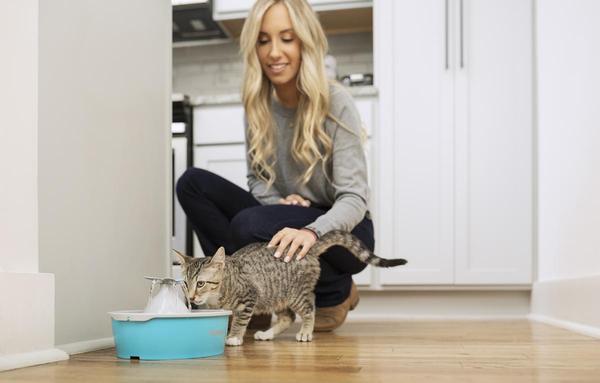
Cats reproduce rapidly, and each year from roughly spring through fall, shelters fill with litters during what is known as kitten season. In a recent year, nearly half of all cats entering shelters were under five months old. [3] Kittens are adorable and adopt out quickly, which means calm, affectionate adult and senior cats are frequently passed over. An adult cat's personality is already clear, many are already litter-trained and social, and they often settle in faster than a kitten. If you want a predictable companion with less of the high-energy chaos of kittenhood, an adult cat may be the easiest great match you can make.
Should you adopt one cat or two?
Cats are more social than their reputation suggests, and many do better with a companion, especially kittens and young cats who learn boundaries from play with another cat. Shelters often list bonded pairs, two cats who already live well together, and adopting them as a pair keeps them from being separated. Two cats can entertain each other while you are away, though they will need enough resources to share: separate food and water stations, plenty of vertical space, and one litter box per cat plus one extra. If you already have a cat at home, plan a slow introduction rather than bringing a second cat straight into shared space.
How to choose the right cat
The best cat for you fits your home and your energy. Consider these factors before you decide:
- Age. Kittens need supervision and play; adults are calmer and their personality is known.
- Energy and temperament. Some cats are lap companions, others are active climbers and hunters who need play and vertical space.
- Coat and grooming. Long-haired cats need regular brushing to prevent mats.
- Other pets and children. Ask how the cat has done with dogs, other cats, and kids, and plan slow introductions.
- Health needs. Special-needs and senior cats can be deeply rewarding if you can meet their care requirements.
Set up a safe indoor home for your cat
Prepare before your cat arrives so it walks into a ready space. Cats thrive when their core needs are met in a predictable environment. Veterinary feline guidelines describe several pillars of a healthy indoor home: a safe place to retreat, multiple separated resources, opportunities to play and express natural hunting behavior, positive and consistent human interaction, and respect for a cat's powerful sense of smell. [6] In practice, that means:
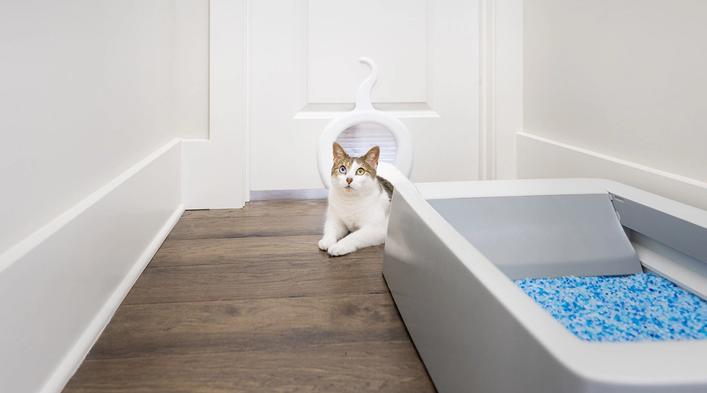
- A quiet safe room to start. Set up one room with a litter box, food and water placed away from the box, a bed, and a hiding spot so your cat can decompress.
- Litter boxes. Provide one box per cat plus one extra, in quiet, separate locations.
- Scratching and climbing. Offer scratching posts and vertical space such as cat trees or shelves so your cat can climb, scratch, and survey its territory.
- Play. Daily interactive play satisfies the hunting instinct and builds your bond.
Calming aids can ease the transition for a nervous cat during the first days in a new home. If you are bringing home a kitten, our new kitten checklist covers the supplies and first steps in detail.
Introduce your new cat the right way
Cats are territorial, so introductions must be gradual. Keep your new cat in its safe room at first, separated from resident pets until a veterinarian has examined it. [4] Let the animals learn each other's scent under the door and by swapping bedding, then progress to brief, supervised, visual meetings through a cracked door or a baby gate before allowing shared space. Reward calm behavior on both sides. A patient, scent-first introduction over days or weeks gives cats the best chance of becoming friends rather than rivals. The same slow approach works for introducing a cat to a dog, with the dog leashed and the cat free to retreat.
Indoor safety and preventing escapes
Keeping a cat indoors greatly reduces its risk of accidents, disease, predation, and getting lost. [4] A new cat, unsure of its surroundings, is especially likely to dash out an open door or window, so make your home escape-proof from day one. Secure all window screens, since unscreened or loose windows lead to dangerous falls, a hazard so common in cities that it has a name, high-rise syndrome, and it is entirely preventable. [7] A patio enclosure or catio lets a cat enjoy fresh air safely. Fit your cat with a breakaway collar and an ID tag, and back it up with a microchip registered to your current contact details, because a microchip is a lost cat's best ticket home. Microchipped cats are reunited with their owners far more often than cats without one. [8]
Frequently asked questions
How much does it cost to adopt a cat, and what is included?
Cat adoption fees commonly range from about $50 to $175, with kittens and purebreds at the higher end. The fee typically covers spay or neuter surgery, core vaccinations, a microchip, an initial exam, and deworming, which makes adopting far cheaper than paying for those services separately.
How do I adopt a stray cat?
First make sure the cat is truly homeless: check for a collar and tag and have it scanned for a microchip, then post in local lost-and-found groups. If no owner is found, take the cat to a shelter or veterinarian for a health check and to begin the adoption or reclaim process. Do not attempt to adopt a feral cat, which is unsocialized and best served through trap-neuter-return.
How can I tell if a cat is a stray or feral?
A stray cat is socialized and often approaches people, meows, or seeks attention, and may look unkempt. A feral cat avoids people, stays low and quiet, and may have a tipped ear showing it has already been spayed or neutered through a community cat program.
Should I adopt one cat or two?
Many cats, especially kittens, do better with a companion. Adopting a bonded pair keeps two cats who already get along together. Provide separate food and water stations, vertical space, and one litter box per cat plus one extra.
How old do you have to be to adopt a cat?
Most shelters require adopters to be at least 18, since adoption is a legal contract. Some private rescues require 21.
How long does it take to adopt a cat?
Often the same day at municipal shelters, or a few days at private and foster-based rescues that require a home check or reference call.
When is the best time to adopt a cat?
Any time is a good time, but June is Adopt a Shelter Cat Month, and shelters are especially full of kittens and adult cats during kitten season from spring through fall, when adoption drives and reduced fees are common.
Citations and sources
- ASPCA, "Adoption Tips: Finding and Welcoming Home Your Pet." aspca.org
- Alley Cat Allies, "What Is the Difference Between a Stray and Feral Cat?" and community cat resources. alleycat.org
- Shelter Animals Count, national database annual data on shelter intake. shelteranimalscount.org
- Cornell Feline Health Center, indoor cats and new cat care. vet.cornell.edu
- ASPCA, adoption fees and what they include. aspca.org
- American Association of Feline Practitioners and International Society of Feline Medicine, feline environmental needs guidelines. catvets.com
- ASPCA, "Preventing High-Rise Syndrome in Cats." aspca.org
- American Veterinary Medical Association, microchipping of animals and return-to-owner data. avma.org
Last modified: October 22, 2026.


Get Email Updates
Subscribe to the latest news, promotions, & more from PetSafe® brand.
Sign up today for the latest news, promotions, and more from PetSafe® brand.